
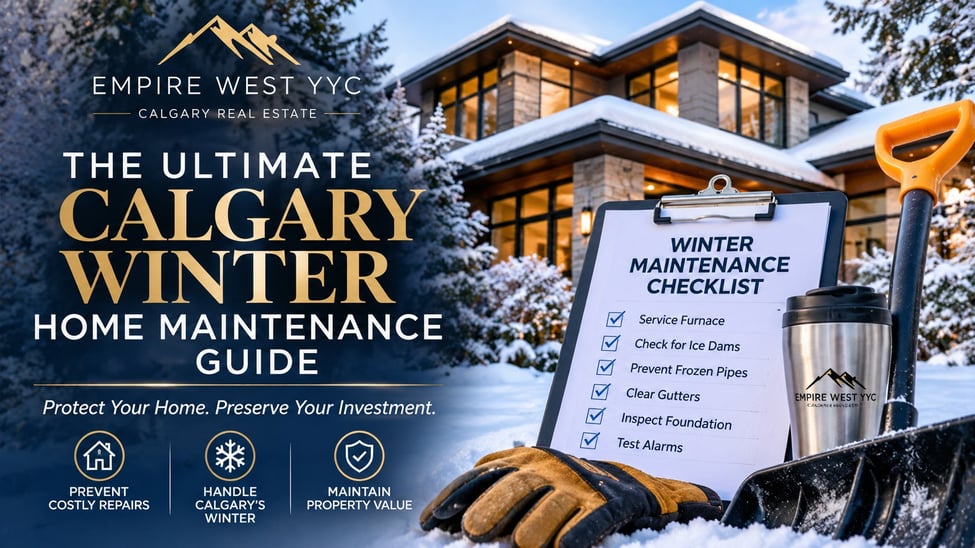
The Ultimate Calgary Winter Home Maintenance Guide: Protect Your Home and Property Value
Essential Winter Maintenance Tips Every Calgary Homeowner Should Know
By Jordan Lotoski | Empire West YYC | RE/MAX First
Owning a home in Calgary comes with many advantages, from beautiful mountain views and exceptional residential communities to an outstanding quality of life. However, Calgary's winter climate presents unique challenges that homeowners must prepare for every year.
Extreme cold, heavy snowfall, Chinook winds, rapid temperature fluctuations and repeated freeze-thaw cycles can place considerable stress on residential properties.
Without proper winter home maintenance, seemingly minor issues can develop into expensive repairs involving roofing, plumbing, foundations, heating systems and building envelopes.
With over 23 years of experience in Calgary real estate, I have seen how consistent property maintenance can influence home values, buyer confidence and the overall condition of residential properties.
Whether you own a traditional bungalow in an established Calgary neighbourhood, a condominium, a modern inner-city infill or a multimillion-dollar luxury home, preventative winter maintenance is one of the most effective ways to protect your real estate investment.
If you are considering purchasing a property this winter, explore Calgary homes for sale with Empire West YYC.
1. Understand Calgary's Unique Winter Climate
Calgary experiences winter conditions that differ considerably from many other Canadian cities.
While extended periods of extreme cold can place significant demands on residential heating systems, Calgary's famous Chinook winds introduce additional challenges.
Temperatures can rise dramatically within a short period, causing accumulated snow and ice to melt before temperatures drop below freezing again.
These repeated freeze-thaw cycles can contribute to:
Ice dam formation.
Foundation moisture penetration.
Concrete deterioration.
Driveway and sidewalk cracking.
Roofing and flashing damage.
Exterior drainage problems.
Window condensation.
Expansion and contraction of building materials.
Calgary homeowners should prepare their properties not only for extreme cold but also for rapid temperature fluctuations throughout the winter.
This is particularly important in established communities such as Upper Mount Royal, Elbow Park, North Glenmore Park, Britannia, Lakeview, Altadore and Silver Springs, where homes may have been constructed using different building methods over several decades.
Explore our Calgary community guides to learn more about established and newer residential neighbourhoods.
2. Schedule Professional Furnace Maintenance
Your furnace is one of the most important mechanical systems in your Calgary home during winter.
A furnace failure during an extended cold spell can quickly create uncomfortable living conditions and increase the risk of frozen plumbing.
Before or during winter, homeowners should:
Arrange professional furnace servicing.
Replace or inspect furnace filters regularly.
Confirm thermostats are operating correctly.
Keep heating vents and return-air registers unobstructed.
Check exterior furnace intake and exhaust vents for snow and ice.
Test carbon monoxide detectors.
Investigate unusual furnace noises or inconsistent heating.
Have combustion and ventilation components inspected by a qualified technician.
Homes with multiple furnaces, boilers, hydronic heating or in-floor heating systems may require more specialized servicing.
Luxury Calgary homes frequently incorporate sophisticated mechanical systems that should be maintained according to manufacturer recommendations.
Preventative furnace maintenance can improve reliability, support energy efficiency and reduce the likelihood of emergency repairs during extreme winter conditions.
3. Prevent Frozen Pipes During Calgary Cold Snaps
Frozen plumbing is one of the most expensive winter-related problems homeowners can experience.
When water freezes inside plumbing, expansion can damage pipes and fittings. Once temperatures rise, damaged pipes may leak and cause significant water damage.
Properties with plumbing located near exterior walls, unheated garages, poorly insulated basements or exposed crawl spaces may face increased risks.
To reduce the likelihood of frozen pipes:
Maintain consistent indoor heating.
Insulate vulnerable water supply lines.
Disconnect outdoor garden hoses.
Shut off and drain conventional exterior hose bibs where applicable.
Seal air leaks near plumbing.
Keep attached garage doors closed during extreme cold.
Open cabinets containing vulnerable plumbing when necessary.
Locate and understand how to operate your main water shutoff valve.
Homeowners travelling during winter should review their home insurance requirements regarding heating, property inspections and water shutoffs.
If you suspect a pipe has frozen, contact a qualified plumber. Never attempt to thaw plumbing using an open flame.
4. Protect Your Roof From Ice Dams
Ice dams can develop when heat escaping from a home causes rooftop snow to melt. The resulting water flows toward colder roof edges, where it can refreeze.
As ice accumulates, additional melting snow may become trapped behind it and potentially penetrate beneath roofing materials.
Signs of potential ice dam problems include:
Large icicles along roof edges.
Thick ice accumulation near gutters.
Uneven snow melting across the roof.
Water stains on ceilings.
Moisture near exterior walls.
Interior paint deterioration.
Damp attic insulation.
Preventative measures may include improving attic insulation, sealing air leaks, maintaining appropriate attic ventilation and ensuring proper roof drainage.
Do not climb onto an icy roof or attempt to remove ice using tools that could damage roofing materials. Hire a qualified roofing professional when necessary.
Calgary's Chinook weather patterns make monitoring roof conditions particularly important throughout winter.
5. Maintain Gutters, Downspouts and Exterior Drainage
Proper exterior drainage is essential to protecting your home's foundation.
During Chinooks, accumulated snow can melt rapidly. If gutters, downspouts or exterior drainage systems are obstructed, water may collect near the foundation before freezing again.
Homeowners should:
Clear accessible drainage outlets.
Confirm downspouts direct water away from the foundation.
Monitor areas where snowmelt collects.
Keep basement window wells clear of excessive snow.
Avoid piling large amounts of snow directly against the home.
Inspect sump pump discharge lines for freezing.
Maintain positive grading around the foundation.
Foundation moisture issues can be particularly concerning in older Calgary homes, where original waterproofing systems may have deteriorated over time.
Water management should remain a priority throughout the year, not just during spring.
6. Manage Indoor Humidity During Calgary Winters
Calgary's winter climate is often extremely dry, and indoor heating can further reduce humidity levels.
Low indoor humidity may contribute to:
Dry skin and irritated eyes.
Hardwood flooring shrinkage.
Gaps between flooring boards.
Wood furniture movement.
Increased static electricity.
Dryness in cabinetry and millwork.
However, excessive indoor humidity can create different problems, particularly when outdoor temperatures fall significantly.
High humidity may contribute to window condensation, frost accumulation, moisture damage and mould growth.
A general starting point for many homes is approximately 30% to 40% indoor relative humidity during milder winter conditions. Lower levels may be necessary during extreme cold, depending on window performance and building construction.
Homeowners should monitor indoor humidity using a hygrometer and adjust humidifier settings when outdoor temperatures change.
Persistent condensation should not be ignored, as it may indicate ventilation, insulation or building envelope concerns.
Luxury homes with extensive hardwood flooring, custom millwork and natural wood finishes may benefit from carefully managed indoor humidity.
7. Inspect Windows, Doors and Weatherstripping
Windows and exterior doors are common areas of heat loss during Calgary winters.
Air leakage can increase heating costs, reduce indoor comfort and contribute to condensation.
Inspect the following areas:
Exterior door weatherstripping.
Door sweeps and thresholds.
Window seals.
Exterior caulking.
Garage entry doors.
Patio doors.
Basement windows.
Attic access hatches.
Signs of potential problems include noticeable drafts, frost accumulation, difficulty operating windows and condensation between sealed windowpanes.
Replacing damaged weatherstripping and addressing appropriate air leaks can improve comfort and reduce unnecessary heating demands.
Older Calgary homes may require more extensive window upgrades, while newer homes should still be monitored for installation and sealing deficiencies.
8. Protect Driveways, Walkways and Exterior Concrete
Calgary's repeated freeze-thaw cycles can contribute to concrete deterioration.
Water can penetrate small cracks and surface imperfections before freezing and expanding, potentially worsening existing damage.
To protect exterior concrete:
Remove snow regularly.
Avoid allowing thick ice to accumulate.
Use traction materials and de-icing products appropriate for the surface.
Avoid aggressive ice removal techniques.
Inspect concrete for developing cracks.
Address drainage problems.
Schedule appropriate repairs when temperatures permit.
New concrete, decorative concrete, exposed aggregate and natural stone may be particularly sensitive to certain de-icing chemicals.
Homeowners should follow the recommendations of their concrete installer or product manufacturer.
Maintaining driveways and walkways also contributes to curb appeal and reduces potential slipping hazards.
9. Maintain Your Garage During Winter
Attached and detached garages experience significant exposure to cold temperatures, snow, moisture and road salt.
Vehicles frequently bring snow and slush into garages, where melting water can increase humidity and contribute to deterioration.
Winter garage maintenance should include:
Inspecting garage door weather seals.
Keeping garage door tracks clear.
Testing automatic garage door safety systems.
Monitoring excessive condensation.
Maintaining appropriate ventilation.
Removing accumulated road salt.
Checking garage heaters and ventilation systems.
Keeping plumbing in vulnerable garage areas protected.
Heated garages are particularly desirable in Calgary's luxury real estate market, but their mechanical systems and ventilation requirements should not be overlooked.
Never operate a vehicle inside a closed garage, even if the garage is heated.
10. Test Smoke Alarms and Carbon Monoxide Detectors
During winter, Calgary homeowners rely more heavily on furnaces, fireplaces, boilers and other fuel-burning appliances.
Carbon monoxide is an invisible, odourless gas that can be extremely dangerous.
Homeowners should:
Test smoke and carbon monoxide alarms regularly.
Replace batteries when required.
Replace expired detectors according to manufacturer instructions.
Maintain fuel-burning appliances.
Keep exterior exhaust vents clear of snow.
Arrange professional fireplace and chimney inspections when appropriate.
Avoid using outdoor heating or cooking equipment indoors.
If a carbon monoxide alarm activates, immediately leave the property and contact emergency services from outside.
Winter home maintenance should always prioritize the safety of occupants.
11. Maintain Fireplaces and Chimneys
Fireplaces are a popular feature in Calgary homes, particularly in luxury properties and established residential communities.
Whether your home features a traditional wood-burning fireplace, gas fireplace or modern architectural fireplace, appropriate maintenance is essential.
Wood-burning fireplaces may require professional chimney cleaning and inspection to address creosote accumulation and potential ventilation problems.
Gas fireplaces should be inspected according to manufacturer recommendations, particularly if homeowners notice unusual odours, ignition problems or inconsistent operation.
Never obstruct fireplace ventilation systems or attempt unauthorized modifications.
A properly maintained fireplace can contribute to winter comfort, architectural appeal and buyer desirability.
12. Inspect Your Attic for Moisture and Frost
Attic moisture problems can develop when warm, humid indoor air escapes into colder attic spaces.
During extreme cold, moisture may freeze on roof sheathing and framing. When a Chinook arrives, accumulated frost can melt and create water stains or damage insulation.
This is sometimes referred to as attic rain.
Potential warning signs include:
Water stains appearing during warmer winter weather.
Moisture around ceiling fixtures.
Damp attic insulation.
Frost on accessible roof sheathing.
Musty odours.
Unexplained ceiling discolouration.
Potential contributing factors include inadequate air sealing, excessive indoor humidity, improperly vented bathroom exhaust fans and attic ventilation deficiencies.
A qualified home inspector, insulation contractor or building envelope specialist can help identify the underlying cause.
Read our Calgary real estate blog for guidance on selecting a qualified home inspector and identifying potential property deficiencies.
13. Protect Your Foundation During Chinook Weather
Calgary's Chinook winds can produce significant snowmelt during winter.
When the ground remains frozen, melting water may not drain normally and can accumulate near foundations.
Homeowners should monitor:
Basement window wells.
Exterior grading.
Foundation cracks.
Downspout discharge locations.
Sump pump performance.
Retaining walls.
Low areas around landscaping.
Basement moisture levels.
Avoid storing excessive snow against exterior walls or allowing drainage outlets to become obstructed.
If water repeatedly enters your basement during Chinooks, investigate the underlying cause rather than simply addressing the interior symptoms.
Foundation repairs, waterproofing improvements and drainage corrections can become expensive when problems are allowed to progress.
14. Winter Maintenance for Calgary Luxury Homes
Luxury residential properties frequently incorporate more sophisticated construction materials, mechanical equipment and architectural features.
These systems may require additional winter maintenance beyond the requirements of a conventional residential property.
Luxury homeowners should consider servicing:
Hydronic in-floor heating systems.
Boilers and circulation pumps.
Heated driveways and snow-melting systems.
Multiple furnaces.
Heat recovery ventilation systems.
Smart home climate controls.
Extensive exterior glazing.
Flat roofing systems.
Outdoor kitchens.
Heated garages.
Wine cellars.
Residential elevators.
Outdoor hot tubs.
Backup generators.
Custom-built homes may also incorporate natural stone, architectural wood cladding, specialty exterior finishes and complex waterproofing systems.
Each material and system should be maintained according to its specific requirements.
As a Calgary luxury real estate professional and Upper Mount Royal resident, I understand the importance of maintaining high-end residential properties and protecting the quality of their architectural finishes.
Explore Calgary luxury homes for sale or learn more about my luxury real estate experience.
15. Winter Maintenance for Calgary Condominiums and Townhomes
Condominium owners may have fewer exterior maintenance responsibilities, but they should not assume that every winter-related concern is handled by the condominium corporation.
Responsibilities vary according to condominium bylaws, property boundaries and management agreements.
Condominium homeowners should consider:
Maintaining appropriate indoor temperatures.
Monitoring window condensation.
Keeping interior heating systems operational.
Inspecting accessible plumbing.
Understanding balcony snow removal requirements.
Reporting exterior water penetration.
Reviewing condominium insurance coverage.
Understanding insurance deductible responsibilities.
Reporting common property maintenance concerns promptly.
Townhouse owners should confirm who is responsible for exterior doors, windows, roofing, decks, drainage and snow removal.
When purchasing a Calgary condominium, reviewing reserve fund studies, condominium documents and maintenance history can help identify potential future expenses.
Visit our Calgary real estate FAQ page for additional homeownership and purchasing information.
16. Prepare Your Home Before Leaving Calgary for a Winter Vacation
Many Calgary homeowners travel to warmer destinations during winter.
Leaving a property unattended during an extended cold spell can increase the risk of unnoticed mechanical failures, frozen pipes and water damage.
Before departing:
Review your home insurance policy's vacancy and absence requirements.
Maintain appropriate indoor heating.
Arrange property checks as required by your insurer.
Consider shutting off domestic water where appropriate.
Install water leak detection
Use smart temperature monitoring.
Arrange snow removal.
Secure windows and exterior doors.
Confirm sump pumps and necessary mechanical systems remain operational.
Provide a trusted person with emergency contact information.
- Do not shut off systems required for heating, fire protection or other essential functions without professional guidance.
Smart home technology can provide useful alerts, but it may not replace physical property inspections required under an insurance policy.
17. Reduce Winter Heating Costs Without Compromising Your Home
Heating expenses can increase substantially during Calgary's colder months.
Homeowners can improve energy efficiency through appropriate maintenance and targeted upgrades.
Potential improvements include:
Servicing heating equipment.
Replacing furnace filters.
Improving attic insulation.
Addressing air leakage.
Installing programmable thermostats.
Maintaining heat recovery ventilation systems.
Improving window performance.
Insulating vulnerable areas.
Reviewing electricity and natural gas contracts.
Monitoring monthly energy consumption.
- Avoid lowering indoor temperatures excessively simply to reduce heating expenses.
The potential cost of frozen plumbing or moisture-related damage can significantly exceed modest energy savings.
A professional home energy assessment may help identify which improvements offer the greatest benefit for your specific property.
18. Calgary Winter Home Maintenance Checklist
The following seasonal checklist can help homeowners organize essential maintenance tasks.
Maintenance Task Recommended Timing Professional furnace servicing Annually, ideally before winter Furnace filter inspection Monthly or as recommended Smoke and carbon monoxide alarm testing Monthly Exterior exhaust vent inspection After significant snowfall Outdoor hose disconnection Before freezing temperatures Weatherstripping inspection Fall and throughout winter Roof and ice dam monitoring After snowfall and Chinooks Downspout and drainage inspection During Chinooks Indoor humidity monitoring Throughout winter Sump pump inspection Before significant snowmelt Garage door seal inspection Fall and winter Driveway and sidewalk maintenance After snowfall Fireplace and chimney maintenance As recommended by a professional Basement moisture inspection During Chinooks and spring thaw Home insurance review Annually and before extended travel Professional roof inspection As needed and when safely accessible Consistent maintenance is generally more effective than waiting until problems become emergencies.
19. How Much Should Calgary Homeowners Budget for Winter Maintenance?
Winter home maintenance expenses depend on the age, size, condition and complexity of the property.
The following figures are illustrative budgeting estimates in Canadian dollars rather than verified contractor quotations.
Maintenance Service Estimated Cost Furnace servicing $150–$300 Furnace filters $20–$100 each Fireplace servicing $150–$350 Gutter cleaning $150–$400 Weatherstripping improvements $50–$300 Humidifier servicing $100–$250 Professional roof inspection $200–$500 Residential snow removal $150–$350+ per month Boiler or hydronic heating servicing $250–$600+ As a general planning guideline, homeowners may consider setting aside approximately 1% of their home's value annually for maintenance and long-term repairs, although this approach should be adjusted for land value, building age and property condition.
For expensive Calgary properties where a substantial portion of the market value is attributable to land, a budget based on the building's condition and replacement costs may be more appropriate.
Luxury properties with complex mechanical systems may require considerably larger maintenance reserves.
20. How Winter Maintenance Protects Calgary Real Estate Values
As a real estate professional, I frequently see the difference between properties that have been consistently maintained and those where maintenance has been deferred.
When buyers evaluate a Calgary home, they consider more than its kitchen, bathrooms and interior finishes.
They also consider:
Roof condition.
Mechanical system reliability.
Window performance.
Foundation integrity.
Evidence of water damage.
Exterior condition.
Overall maintenance history.
Potential future repair expenses.
- A beautifully renovated home with significant underlying maintenance problems may create uncertainty during the purchasing process.
Conversely, a well-maintained property with documented servicing can help establish buyer confidence.
Homeowners should retain furnace service records, roof repair invoices, warranty documents, plumbing records and other relevant maintenance information.
These documents can become valuable when preparing a home for sale.
Learn more about Empire West YYC and my approach to Calgary real estate.
21. Buying a Calgary Home During Winter: What Should You Look For?
Purchasing a home during winter presents both opportunities and challenges.
Cold weather can reveal certain deficiencies that may be less apparent during summer, including drafts, window condensation, heating inconsistencies and ice dam formation.
However, snow can also conceal roofing materials, landscaping, exterior grading, foundation areas and concrete surfaces.
Buyers should pay particular attention to:
Furnace and heating performance.
Window frost and condensation.
Interior temperature consistency.
Evidence of previous water penetration.
Basement moisture.
Ice accumulation along roof edges.
Attic ventilation.
Exterior drainage.
Mechanical system maintenance records.
Areas that cannot be fully inspected because of snow.
- A qualified home inspector should explain any seasonal limitations affecting the inspection.
For older homes, luxury properties and extensively renovated residences, additional specialized inspections may be appropriate.
Explore our Calgary homebuyer resources and real estate blog for more information about buying a home, selecting a qualified inspector and avoiding expensive purchasing mistakes.
22. Selling Your Calgary Home During Winter
Winter does not mean that homeowners should postpone selling their property.
A well-maintained, comfortable and professionally presented home can make a strong impression on prospective buyers.
When preparing a Calgary home for winter showings:
Keep sidewalks and entrances clear of snow.
Maintain comfortable indoor temperatures.
Clean exterior windows when practical.
Provide adequate interior lighting.
Maintain fireplaces in safe working condition.
Address visible condensation.
Repair damaged weatherstripping.
Organize maintenance documentation.
Remove excessive winter clutter.
Maintain attractive curb appeal.
- Buyers should feel comfortable entering and exploring the property, regardless of outdoor weather conditions.
Professional photography, strategic pricing and effective property presentation remain important throughout the winter selling season.
If you are considering selling your property, contact Empire West YYC for a personalized Calgary home valuation and marketing consultation.
Frequently Asked Questions About Calgary Winter Home Maintenance
What temperature should I keep my Calgary home at during winter?
Many homeowners maintain occupied living areas at approximately 20°C to 22°C. When travelling, maintain a safe minimum temperature based on your home's construction, plumbing configuration and insurance requirements.
How often should I replace my furnace filter during winter?
Inspect furnace filters monthly during periods of heavy use. Replacement frequency depends on the filter type, household conditions, equipment specifications and manufacturer recommendations.
Why do my windows develop frost during Calgary winters?
Window frost can result from indoor humidity contacting cold glass or window surfaces. Persistent frost may also indicate air leakage, inadequate ventilation or poor window performance.
Are Chinooks bad for Calgary homes?
Chinooks are not inherently harmful, but rapid snowmelt and repeated freeze-thaw cycles can contribute to drainage problems, ice formation, concrete deterioration and moisture-related concerns.
How do I prevent ice dams on my roof?
Appropriate attic insulation, air sealing, ventilation and roof drainage can help reduce ice dam formation. Persistent problems should be evaluated by a qualified roofing or building envelope professional.
Should I shut off my water when leaving Calgary during winter?
Shutting off domestic water may reduce certain risks, but homeowners should first review insurance requirements and confirm that doing so will not interfere with heating, fire protection or other essential systems.
Can winter maintenance increase my home's resale value?
Proper maintenance helps preserve property condition, reduce deferred repair expenses and improve buyer confidence. While maintenance does not guarantee higher sale prices, neglect can negatively affect marketability and negotiations.
Should I get a home inspection when buying during winter?
Yes. A professional home inspection remains important during winter, although snow and ice may limit the evaluation of certain exterior components.
What is the biggest winter maintenance mistake Calgary homeowners make?
One of the most significant mistakes is ignoring preventative maintenance until a mechanical failure, frozen pipe or moisture problem occurs. Regular inspections and timely repairs can help prevent larger expenses.
Final Thoughts: Protect Your Calgary Real Estate Investment This Winter
Calgary's winter climate can be demanding, but consistent preventative maintenance can help homeowners protect their properties, improve comfort and reduce the risk of expensive repairs.
Whether you own a historic residence in Upper Mount Royal, a modern luxury infill in Altadore, a renovated bungalow in North Glenmore Park, a family home in Lake Bonavista or a downtown Calgary condominium, maintaining your property should remain a year-round priority.
The most valuable homes are not necessarily those with the most expensive finishes. They are often the properties where owners have invested in quality construction, consistent maintenance and thoughtful improvements.
Protecting your home today can help preserve its condition, marketability and long-term value.
Work With an Experienced Calgary REALTOR®
I'm Jordan Lotoski, a Calgary REALTOR® with RE/MAX First and Empire West YYC. With over 23 years of real estate experience, I understand how property condition, construction quality, location and maintenance influence Calgary real estate values.
Whether you are buying, selling, investing or planning to build a custom luxury home, I provide experienced guidance to help you make informed real estate decisions.
Explore more Calgary real estate resources:
- Jordan Lotoski
Empire West YYC | RE/MAX First
Calgary Real Estate | Luxury Homes | Custom Homes | Established Communities
Experience. Knowledge. Results.

